IRL
An update is now available for this app!
You successfully shared the app
https://irl.shareableapps.com/
Tap and hold link above to copy to clipboard.
Are you sure you want to delete this message?
We've got heaps of information in this app about sexuality, sex, STIs, contraception and consent. So take a look around!
What this app is about:
You successfully shared the app
https://irl.shareableapps.com/
Tap and hold link above to copy to clipboard.
Are you sure you want to delete this message?
Sex can be many things and we can get really hung up on what "counts" as sex. Sometimes people talk about it like they're refereeing a footy game ("was it in?"). Some people think sex is only penetration (like a penis in a vagina or anus) but really, any sexual act can be called sex and how we define it is up to each of us as individuals. Here are a few things that may fall under the "sex" category:
Sexual experiences and choices are different for people of all backgrounds, genders, bodies, abilities, and identities. The kinds of sex people have can differ widely, while some people choose not to engage in sex at all for personal, cultural, medical, or identity-based reasons - all of which are valid.

Regardless of our differences, sex is more than just physical or emotional acts, whether with someone else or by yourself. It's also about why you want to engage in it, how and when you want to do it, and what you hope to get from it. And there's one thing that should always happen during any sexual activity, whether in person or online. If you said "consent" in your head just now… congratulations - you win a prize! 🎉
When it comes to sex, no matter who you are, EVERYONE involved needs to seek, give, and receive consent. That means everyone actively chooses and genuinely wants to be involved. Consent can be expressed verbally—like saying, "Yes, I want to do this with you"—or through body language, such as pulling someone close, making eye contact, or showing enjoyment through sounds. It's a whole body message. Consent isn't just a one-time thing at the start - it needs to be ongoing throughout any sexual activity. Everyone involved needs to feel safe to say "no" or "stop" or "I'm not into that but I am into that".
And no matter how horny you are, if you get a "no" or a "slow down" from a sex partner, you must respect it! Sex is the best when everyone is having a good time, not when they feel pressured (trust us).
There is a lot to know about consent: how to ask for it, how to give it, and how to negotiate it.
Read about it here.

Sex isn't just about fun. There are important laws about sex that everyone should know. This includes the legal age of consent, what consent looks like, rules around drugs and alcohol, what counts as sexual assault or pressure, and other laws that help keep people safe. We go into more detail about those things here.
🎉 Ok, so we don't have any prizes, but you can pat yourself on the back for the right answer!
You successfully shared the app
https://irl.shareableapps.com/
Tap and hold link above to copy to clipboard.
Are you sure you want to delete this message?
Oral sex involves someone's mouth on someone's genital (pubic) area. This may include the penis and scrotum (ball sac) - which may be called fellatio or blowjob, the vulva (labia, clitoris, vagina entrance) - which may be called cunnilingus or licking out, and the anus - called rimming.
People enjoy oral sex in different ways. Some like giving it, some like receiving it, some like both, and some don't want to do it at all. All of these choices are ok and valid.
There isn't one technique for oral sex, because all mouths and body parts are different and people want different things at different times. Sometimes people want to be sucked, sometimes people want to lick. It can be gentle or hard, wet or dry. It can be fast or slow. The mouth could go fully around the penis or just around a little bit of it. Some people like fingers or hands to be involved too, or not.The key is to communicate before, during (take a breather and stretch the jaw at the same time if you are the giver) and after. Start slow and keep checking in with your partner.
Like all sex, it needs to include consent. Everyone involved should want to do it, feel comfortable and safe, and never feel pressured.
Oral sex can't cause pregnancy, but sexually transmissible infections (STIs) can be passed on from mouths to genitals and the other way around. STIs that can be passed on through oral sex include chlamydia, herpes, gonorrhoea, syphilis and HPV. To reduce the chance of an infection, people can use external condoms on a penis or sex toy, internal condoms in a vagina or anus or dental dams on a vulva or other genital skin. Using gloves, if inserting fingers into a vagina or anus, is also on option to reduce the chance of scratching someone with nails or contact with body juices, fluids or poo.
Before you busy having fun,
it's a good idea to wash your hands. Just like washing your hands protects against germs in everyday life, it also helps reduce the risk of infections or irritation when touching sensitive areas. After all, you wouldn't want someone touching you after chopping up chili - ouch! 🌶️
Also, always change condoms and dental dams if you change the type of sex you're doing (like from oral to vaginal or anal sex).
If you're thinking about other types of sex, you can read about masturbation, anal sex or penetrative sex in the app.
You successfully shared the app
https://irl.shareableapps.com/
Tap and hold link above to copy to clipboard.
Are you sure you want to delete this message?
This type of sex is pretty much what the name suggests! It can be a big deal for some people and not a big deal for others. Everyone's experience and feelings about it are different.
For penis-in-vagina (PIV) sex to feel comfortable, the vagina usually needs to be relaxed and well lubricated. If this hasn't happened yet, penetration can feel uncomfortable or painful, which is a sign to slow down or stop. Sex should not hurt.
Many people need time, communication, and other kinds of intimacy, sexual activity (often called forelay) to feel relaxed and aroused. Touch, such as using a finger or sex toy, and using lube can also help. Everyone's body responds differently, and there is no "right" amount of time or level of arousal. Going slowly, checking in, and respecting boundaries are always important.
There is some legal stuff to consider with PIV sex and it is important that you feel ready, no one is pressuring you, and you're not pressuring anyone else.
Consent and communication are the magic combo to have really good sexual experiences. Pay attention to whether you and your sexual partner are into it.
PIV sex can carry a risk of pregnancy, as well as sexually transmitted infections (STIs). If this applies to you, it's important to think about protection. You can find more information in the contraception section of the app.
Condoms are the only method that help protect against both pregnancy and STIs, and they come in different sizes, shapes, textures, and even flavours, so people can find options that feel comfortable and work for them.
If someone is having anal sex and then vaginal sex, it's important to use a new condom before switching. The butt contains bacteria that can cause infections if they enter the vagina.
To reduce the risk of infections, and have the most comfortable experience people can use barriers (like condoms or dental dams) and lube.
Vaginas produce their own lube, but everyone is different. Some people get very wet, while others don't, and that's completely normal. Penises also produce lube(often called pre-ejaculate or "pre-cum"). However, when condoms are used, natural lube may not be enough on its own. Adding lube can make sex more comfortable and pleasurable, reduce friction and chafing, and make condoms less likely to break.
Lubricant can be a really helpful addition and something people choose to use regularly, not just when things feel dry.
Water-based lubricant can be used safely with condoms and sex toys. Silicone-based lubricant is more slippery and longer-lasting and can be used with condoms, but it should not be used with silicone sex toys because it can damage them.
Oil-based lubricants (like oils, lotions, or petroleum jelly) should not be used with latex condoms, as they can weaken the condom and make it more likely to break.
If you're thinking about other types of sex, you can read about oral sex, masturbation with a partner or anal sex in the app.
You successfully shared the app
https://irl.shareableapps.com/
Tap and hold link above to copy to clipboard.
Are you sure you want to delete this message?
Some people like exploring their own bodies using their hands or toys, while others choose not to. Both ways are completely fine. Sometimes the idea gets around that solo sex, AKA masturbation, is only for people who aren't having sex. Masturbation (sometimes called wanking, jerking off, jacking off, rubbing one out, or flicking the bean, just to name a few) can be a healthy way to get to know your own body, what feels good for you, and what you don't like.
Here are some of the most common questions about masturbation answered. Pass it on!
Do people of all genders masturbate?
Yep, they do. Masturbation is a way to learn about your own sexual response and what feels good to you. This is useful not just for self-pleasure, but it can also help you communicate your likes and boundaries to a sexual partner - if that's something you choose to do.
Is it bad for my health?
Not at all! Masturbation is a healthy way to explore your body. It also releases endorphins, which can relieve stress and pain. Taking the time to relax and enjoy pleasurable sensations can even boost your self-esteem.
How much is too much?
What counts as "too much" can depend on how you feel about masturbation. If you were raised to think it's "shameful," your sense of what's okay might be different from someone who feels comfortable with it.
Chances are, your masturbation habits are perfectly fine! So long as you are in private, it feels good, you don't feel like you're doing it too much and you aren't hurting yourself then it's fine. If you get the urge and can't wait until you're somewhere private, or if it's getting in the way of things that are important to you or that you need to do, it might be a sign to take a break or slow down.
How do I know if I'm masturbating right?
Masturbation usually means massaging, rubbing, stroking, or touching the genitals in a way that feels good. Everyone's body is different, and what feels good for one person might feel different for someone else - kind of like how a massage feels different depending on the person and the pressure. There isn't a single "right" way to masturbate - it's okay to touch yourself however feels nice. Don't worry about what you've seen in porn or movies; those aren't guides for your body.
If you're in a private place and touching yourself in a way that feels good, that's all that matters. Have fun exploring!
Can I masturbate when I have my period?
If you feel like it! There's no medical reason why you can't, and masturbation may help relieve menstrual tension or cramps and help you relax. If you plan to insert your fingers, it's a good idea to remove tampons or menstrual cups first. You can also focus on external stimulation of the clitoris and surrounds if you prefer. And maybe put a towel down first or masturbate in the shower if you're worried about stains.
Can masturbation help me enjoy sex more?
Masturbation is a way to learn about your own sexual response, which can help you understand what you like and don't like, and communicate that with any sexual partners you may have. It can also help you feel more confident exploring pleasure.
However, enjoying sex involves more than just knowing what feels good physically. Feeling ready, having your boundaries respected, and consent are all key parts of a positive sexual experience.
Is it bad to masturbate if you're in a relationship?
No, it's not. Your body is your own, and you are entitled to give yourself pleasure. Masturbating doesn't mean you're being unfaithful, and it doesn't mean you enjoy sexual activity with your partner any less. Many people in relationships masturbate as a way to explore their own bodies and learn what feels good.
It can also make it easier to orgasm and feel pleasure, since you're the one in control and can respond immediately to the touch that feels best for you.
You successfully shared the app
https://irl.shareableapps.com/
Tap and hold link above to copy to clipboard.
Are you sure you want to delete this message?
Using your hands to touch body parts that feel good can be way to explore sexual pleasure. Hand jobs, fingering, or whatever you want to call it - there is no single right way to do it, everyone has their own preferences and "flavor." Different parts of the body can feel pleasurable depending on mood, arousal, and personal preference.
To masturbate, some people choose touch on the outside of the body, including nipples, vulva, clitoris, penis, scrotum, perineum, or anus, and some choose to explore the inside of the vagina or anus.
Touching can happen at any point in a sexual experience - at the start, middle, or end - or it can be the entire experience on its own. When done with another person, this is often called mutual masturbation.
Exploring with hands is safe when done hygienically, and it is a useful way to learn what feels good for you and your partner. Communication, consent, and respecting boundaries are always essential.
No condoms this time - unless there is sperm on fingers.
But if you're putting your fingers inside someone, it's a good idea to trim nails to avoid sharp edges of fingernails and wash hands thoroughly, to prevent unwanted infections.
Latex gloves can be used to reduce the possibility of an STI. Especially if you touch your genitals and then touch someone else's or vice versa. If you do that, remember to change your gloves every time.
Using lube during masturbation can reduce friction, prevent chafing, and make touch and penetration more comfortable and pleasurable. Water-based lube is safe to use with latex gloves and can help everything feel smoother and more comfortable for everyone involved.
While saliva can be used and might seem like an easy option, it can contain germs and STIs like gonorrhoea, so it's safer to stick with lube.
If you're thinking about other types of sex, you can read about oral sex, anal sex or penetrative sex in the app.
You successfully shared the app
https://irl.shareableapps.com/
Tap and hold link above to copy to clipboard.
Are you sure you want to delete this message?
If you're curious about butt stuff, you've found the right section.
Like with any sex, always ensure consent. Trying something sexy for the first time or with a new partner can stir up all kinds of feelings, so communication is key.
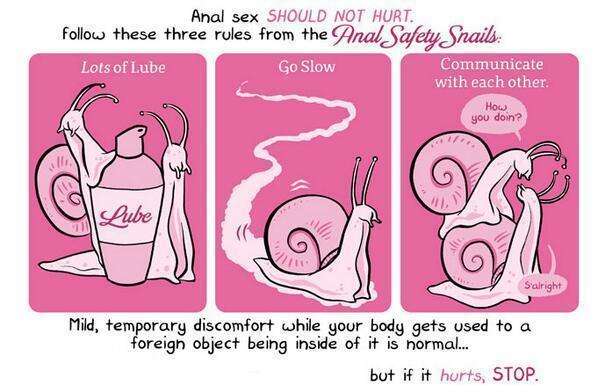
The anus can loosen up and stretch, but it needs help and time. You can try putting some lube around the opening first, then gently slide in a small finger. If you're using condoms, pick lube that's safe for them. As the anus relaxes around the finger, you can try adding another. Go slow and once ready, ease in a penis or toy. Never force it.
Stay tuned in to each other during anal to ensure it feels good for both.
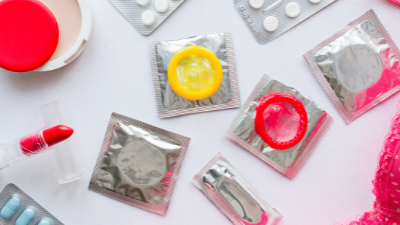
You can't get pregnant from cum going into the anus, but if it gets on the vulva, yeah, pregnancy's possible (though super unlikely). STIs are still a risk too. For protection, you can choose:
Barriers make cleanup easier too - just wrap it up and toss it! Oh, and never reuse the same condom, dam, or glove on another body part or partner. If someone is having anal sex and then vaginal sex, it's important to use a new condom before switching. The butt contains bacteria that can cause infections if they enter the vagina.
Lots of people worry about getting poo on them. There isn't much poo right inside the bum hole, but traces around it can mix with the lube. If you're stressed about mess, hit the toilet first and give your bum a quick rinse. Having a towel nearby helps too.

Copyright Oh Joy Sex Toy
If you're thinking about other types of sex, you can read about oral sex, masturbation with a partner or penetrative sex in the app.
You successfully shared the app
https://irl.shareableapps.com/
Tap and hold link above to copy to clipboard.
Are you sure you want to delete this message?
Sexual consent means that people of legal age communicate, agree, and make clear decisions about if and how they will be sexual together. If consent isn't asked for or given, anyone who pressures, goes ahead, or forces someone can face legal consequences.
Consent is required for everyone, no matter your age, ability, or relationship status - whether you're single, partnered, or married. It's also important to check the legal age of your partner.
So what does sexual consent look like? Here are a few key points to keep in mind.
If someone feels pressured or forced to say yes or take part in sexual activity, that is not consent. When sexual activity is truly consensual, everyone involved has equal power in making the decision.
Consent is not something given in exchange for favors or proof of commitment. For example, it is not:
This doesn't mean you have to be jumping around with excitement - although you can! It simply means that everyone involved has to truly want to be doing it. Why would anyone want to have sex with someone who isn't into it?
Pay attention to how someone is communicating consent. Use all your senses - listen, watch, and notice their signals. Are they saying yes, making sounds of pleasure, leaning in, or removing clothes? Or do they seem uncertain, are they pulling away, looking uncomfortable, holding still, or not moving? If so, pause and ask if they want to keep going.
Notice what's going on in your own body too - how do you feel? Do you want to keep going? And if you're the one feeling unsure, check out the next point.
Just because someone has said yes once doesn't mean they can't change their mind. Part of being a respectful sexual partner is being able to change your own mind and being ready for the other person to say no or have second thoughts. If someone doesn't feel safe or respected when they withdraw consent, then that is not consensual sex.
Life motto: liars don't make great lovers. Be honest with your sexual partners.
If people consent to sex and agree to use a condom, but one partner intentionally tampers with or removes it - this is called stealthing. It is against the law and, yep, you guessed it, it is not consensual sex.
Saying yes to one type of sexual activity does not automatically mean yes to others. For example, if someone consents to making out, that doesn't mean they've agreed to oral sex or anything else.
Consent has to be ongoing and specific. This means checking in with each other before every new sexual activity. Just because someone was naked with you once, or had sex in the past, doesn't mean they give consent in the future.
That's why it's so important to communicate throughout, making sure you are both comfortable and enjoying yourselves every step of the way.
When everyone involved is communicating, informed, and enthusiastically agreeing about what's happening - and you're practicing safer sex - the experience is more likely to be enjoyable for everyone. Listening to each other and keeping the lines of communication open makes sexual activity not just safer, but gives you a pathway to sexual pleasure.
Even when everyone is enthusiastically consenting, sometimes sex can be a little awkward. Bodies get tangled, noises happen, fluids gush, someone rolls off the bed, or a lube mishap can turn things into a messy, squelchy situation. It happens! Be prepared to laugh and try not to stress - real-life sex isn't always like it is in the movies.
Check it out here or visit Youth Law Australia for more information.
You successfully shared the app
https://irl.shareableapps.com/
Tap and hold link above to copy to clipboard.
Are you sure you want to delete this message?
Sexual consent isn't just about communication, agreeing and respect; we also need to understand what the law says about consensual sex. The below information is based on Victorian law; if you are based elsewhere, please check your state's age of consent.
Under Victorian law, "sex" and sexual activity include more than just intercourse. The law covers:
This means the law looks at a wide range of sexual acts, not just what people might call "having sex."
If someone has sex with you or touches you sexually
without your consent, that is sexual assault and it is a crime.
Sexual assault also includes situations where:
If any of these things happen, the other person can be charged, even if you agreed earlier. Consent must be freely and actively given every time and can be withdrawn at any time.
Find more information about sexual assault support here
Victorian law sets strict age limits for when a person can legally consent to sexual activity. This is called the age of consent. If someone breaks these laws, police can charge them, even if the younger person agreed. The age of consent is the same for opposite-sex and same-sex sexual activity.
If you are under 12 years old, you cannot legally consent to any sexual activity. No one can have sex with you, sexually touch you, or perform sexual acts in front of you - even if you agree.
If you are 12 to 15 years old:
If you're unsure whether the age difference is within the legal limit, it's important to check the exact birth dates.
If you are 16 or 17, you can legally consent to sex with someone who is also at least 16, as long as both people freely and voluntarily agree.
However, a person who has care, supervision or authority over you -such as a teacher, youth worker, foster carer, coach or guardian - cannot have sex with you, sexually touch you, or perform sexual acts in front of you, even if you agree.
People 18 years and older can legally consent to sex with another adult, or with someone aged 16 or 17, as long as both people agree and there is no position of authority or care involved.
Even when people are legally old enough, consent is always required. If one person does not agree, or withdraws consent, and the other person continues, this is a serious crime.
You successfully shared the app
https://irl.shareableapps.com/
Tap and hold link above to copy to clipboard.
Are you sure you want to delete this message?
Ok, so a quick reminder: the legal drinking age in Australia is 18 years old, and most recreational drugs are illegal.
Some people may drink alcohol or use drugs to relax and feel more comfortable about sex. Society is generally a bit weird when it comes to talking about sex, so it's no wonder some of us are anxious or uncomfortable about it.
But while alcohol or drugs might make people feel more relaxed, consent is harder to clearly ask for, give and recognise when people are under the influence.
Being affected by alcohol or drugs can make it harder to know whether someone is genuinely consenting.
Consent must be free, voluntary and ongoing. Under Victorian law, consent does not have to be verbal, but it must be clearly communicated. When people are under the influence of alcohol or drugs, their ability to communicate clearly, understand what is happening, and recognise another person's consent can be seriously reduced - especially if both people are affected.
If someone is very drunk, heavily affected by drugs, unconscious, asleep, or unable to understand what's happening, they cannot legally consent. Sex in these situations can be sexual assault.
Your capacity to give consent may be impaired by alcohol or drugs.
When people are affected by alcohol or drugs, they may have lowered inhibitions and make decisions they wouldn't otherwise make. It's important to look out for yourself and your friends - letting someone know where you're going or who you're with can help keep everyone safer.
Both you and your partner may experience a reduced ability to communicate and understand each other when alcohol or drugs are involved. The effects can vary from person to person, but generally, being under the influence means you may not have access to your full ability to communicate, read signals, or make clear decisions.
Some laws consider sex, consent and being intoxicated
In Victoria, if a person is asleep, unconscious, or so affected by alcohol or drugs that they cannot freely agree, they cannot consent. If sexual activity happens in these circumstances, it may be sexual assault.
When it comes to sexual consent, the key question is whether everyone involved freely and clearly agreed. Alcohol and drugs can make that difficult - so if there's doubt, the safest and lawful choice is to wait.
Check out Sexual consent 101 for more consent advice.
You successfully shared the app
https://irl.shareableapps.com/
Tap and hold link above to copy to clipboard.
Are you sure you want to delete this message?
Contraception refers to different ways to prevent pregnancy. Regardless of your gender identity, if you have a uterus and ovaries and have sex that involves a penis and sperm, there is a possibility of pregnancy. People may also use contraception for other reasons, such as managing heavy or painful period, acne, or for cycle regulation.
If you have a penis, using an external condom is one of the easiest and most accessible ways to prevent. Condoms are also the only contraceptive method that helps protect against sexually transmissible infections (STIs) - win, win!
You can buy external condoms from supermarkets and pharmacies, or get them free from sexual health clinics like Sexual Health Victoria.
If you have a uterus and ovaries, there are a number of contraceptive options to choose from. What works well for someone else may not be the best option for you. People choose contraception based on things like:
Condoms are the only method that protects against STIs, so some people use condoms alongside another form of contraception.
If you are trans or gender-diverse, it's important to know that testosterone is not a reliable form of contraception, and oestrogen or progesterone-based gender-affirming hormones on their own also do not prevent pregnancy. If pregnancy prevention is important to you, it's worth talking with a healthcare provider about options that fit your body and your needs.

To find out more about your contraceptive options, check out our free downloadable booklet.
If you live in Melbourne, you can contact Sexual Health Victoria's clinics here.
You successfully shared the app
https://irl.shareableapps.com/
Tap and hold link above to copy to clipboard.
Are you sure you want to delete this message?
Withdrawal is when the penis is pulled out of the vagina before ejaculation (cumming).
It's not recommended as a reliable contraception method.
For people under 25, fertility is usually at its peak. That means the chance of pregnancy is higher, making withdrawal even less dependable.
How effective is withdrawal?
Withdrawal is one of the least effective contraception methods, failing about 1 in 5 times (up to 20%).
It may reduce the chance of pregnancy compared to ejaculating inside the vagina, but it's still unreliable if you want to avoid pregnancy - and it does not protect against STIs.
Here are a few reasons why pulling out might not work,
Withdrawal does not protect from sexually transmissible infections (STIs).
If you think you would like to take an emergency contraception pill as your plan B, you can read more about it here.
You successfully shared the app
https://irl.shareableapps.com/
Tap and hold link above to copy to clipboard.
Are you sure you want to delete this message?
Alright, so you want to have sex, but you don't want to get pregnant? Contraception is your best option. There are a few different methods to choose from, and it can feel confusing - but you don't have to figure it out alone.
Just remember: no method is 100% effective. The most effective options are usually the ones that last a long time and don't require you to remember anything each time you have sex, because they don't rely on taking a pill or using something in the moment.

|
Reversible |
|
99.95% effective at protecting against pregnancy |
|
Lasts up to 3 years |
|
Does not protect against STIs |

|
Reversible |
|
99.5%+ effective at protecting against pregnancy |
|
Lasts up to 5-10 years |
|
Does not protect against STIs |

|
Reversible |
|
96% effective at protecting against pregnancy |
|
Injection every 12 weeks |
|
Does not protect against STIs |

|
Reversible |
|
93% effective at protecting against pregnancy |
|
Taken daily
|
|
Does not protect against STIs |

|
Reversible |
|
93% effective at protecting against pregnancy |
|
New ring every 4 weeks |
|
Does not protect against STIs |

|
Reversible |
|
93% effective at protecting against pregnancy |
|
Taken daily |
|
Does not protect against STIs |

|
88% effective at protecting against pregnancy |
|
Must be used every time |
![]() |
Does protect against STIs |

|
Reversible |
|
82% effective at protecting against pregnancy |
|
Reusable, but must be used every time |
|
Does not protect against STIs |
You successfully shared the app
https://irl.shareableapps.com/
Tap and hold link above to copy to clipboard.
Are you sure you want to delete this message?

We get it - this happens. It's real life. Contraception can fail, condoms can break, you can miss a pill, or you might not have been able to use anything at all.
The good news is you can use emergency contraception (EC).
One of the main types of EC is the emergency contraception pill. Some people call this the "morning-after pill", but that's not totally accurate - it can be used at any time of the day, and it works best when taken as soon as possible.
Here's what you need to know about it.
How does it work?
The EC pill prevents or delays the ovaries from releasing an egg.
How do I take it?
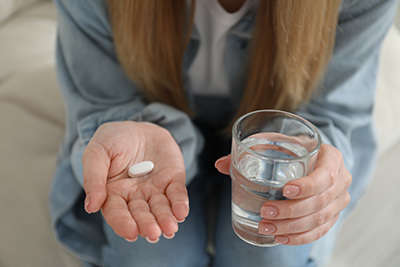
You should swallow the EC pill as soon as possible after unprotected sex.
You can take it up to 4–5 days later, depending on the type of pill. If you have sex again, you may need another dose.
If you're already pregnant, or taking certain medications, the EC pill may not work. Have a chat with your pharmacist, doctor, or nurse for more information.
Where do I get it from?
You can buy the EC pill at a pharmacy - no prescription needed.
You don't need a Medicare card or healthcare card to get it.
The price varies, but it's usually around $15–$40.
What happens at the pharmacy when I ask for the EC pill?

The pharmacist will ask you some questions to make sure the EC pill is safe for you. This is normal and happens with many medicines.
They may ask about:
They'll ask these questions at the pharmacy consulting counter, and some pharmacies also have a private consulting room if you want more privacy. Before you leave, the pharmacist will explain how to take the EC pill and answer any questions you have.
What if the pharmacy doesn't have the EC pill?
Most pharmacies keep EC in stock, but if they don't, they need to refer you to the nearest pharmacy that does.
The pharmacist can only sell the EC pill to the person who will take it - not to a friend or partner.
Do I need a parent or guardian with me to get EC if I am under 18?
If you are under 18, the pharmacist will decide whether you are a "mature minor", which means they will assess if you understand what you are asking for and how to take it correctly.
What would stop them from selling the EC pill to me?
If:
…they may refer you to a doctor or sexual health clinic.
No one can force you to take EC - not a partner, parent, or anyone else. If the pharmacist thinks you're being pressured, they may refuse to sell it.
What other types of emergency contraception are there?
The non-hormonal copper IUD can also be used as emergency contraception. It's a small plastic device with copper wrapped around it, and it's inserted into the uterus by a trained doctor or nurse.
The copper changes the way sperm move and survive in the uterus, making it harder for sperm to meet and fertilise an egg. It also changes the lining of the uterus, making it harder for a fertilised egg to attach and start a pregnancy.
How do I use the non-hormonal copper IUD as emergency contraception?
The copper IUD must be inserted within 5 days (120 hours) after unprotected sex.
It is more than 99% effective and can last as ongoing 5–10 years, depending on the brand.
I'm trans, and I'm taking testosterone. Can I still use emergency contraception?
Yes. Trans men and non-binary people with a uterus and ovaries can usually use oral EC and the copper IUD. Always check with your pharmacist or doctor to be sure.
More information on emergency contraception
You successfully shared the app
https://irl.shareableapps.com/
Tap and hold link above to copy to clipboard.
Are you sure you want to delete this message?
If you've come to this section, you might be looking for information about a possible pregnancy. People arrive here for lots of different reasons, and whatever your situation, you have options.
Before anything else, the first step is to confirm whether you're pregnant. If you've had unprotected sex - for example, penis in vagina or penis near the vagina - and think pregnancy is possible, you can take a pregnancy test.
You can buy a urine pregnancy test (usually a stick you pee on) from a pharmacy or supermarket. You can also get a test from a doctor or nurse at a GP clinic, community health centre or sexual health clinic.
For the most accurate result, it's best to take a pregnancy test around or just after the time your period is due. Testing too early can sometimes give a false negative, meaning the test says you're not pregnant even if you are.
If you've had unprotected sex within the past five days and don't want to be pregnant, you may still be able to use emergency contraception, such as the EC pill or a copper IUD.
Yep, I'm definitely pregnant check out this section.
You successfully shared the app
https://irl.shareableapps.com/
Tap and hold link above to copy to clipboard.
Are you sure you want to delete this message?

If you are pregnant, you have three main options:
People make decisions about pregnancy in different ways. For some, the choice feels clear. For others, it may take more time.
You might find it helpful to talk things through with someone you trust. This could be a health professional or counsellor, or it might be a partner, friend, or family member. The decision on what to do is yours, and your support should respect that.
Some people choose to access professional counselling, while others don't — both are okay.
If you do decide to see a counsellor, they should not tell you what decision to make. Their role is to provide accurate, unbiased, and non-directive information about all options, so you can decide what's right for you.
At Sexual Health Victoria, we offer pregnancy choices information sessions with a nurse. They will give you accurate, non-biased and non-directive information about all your unplanned pregnancy options and support you to make your own decision.
If you decide to continue the pregnancy - whether you plan to parent or explore adoption or foster care - a GP is usually the first health professional who can support you.
They can provide information about your health, pregnancy care, and birth options, and help with referrals to hospitals and other support services. You can read more on our website.
You successfully shared the app
https://irl.shareableapps.com/
Tap and hold link above to copy to clipboard.
Are you sure you want to delete this message?
There are two main types of abortion: medical abortion and surgical abortion. The option that's right for you can depend on many factors such as how far along the pregnancy is, personal preference, cost, privacy, the support you have, and what's available to you.
A doctor or nurse can talk through these factors with you, help you understand your options, and support you with the next steps.
Medical abortion is sometimes called the abortion pill. It's a low-risk option that usually doesn't need to be done in a hospital or clinic - it can generally be completed at home.
In Australia, medical abortion can be used up to 9 weeks of pregnancy. It involves taking two medications: mifepristone and misoprostol, usually taken over 24–48 hours (confirm exact instructions with a healthcare provider).
These medications block progesterone, a hormone needed for a pregnancy to continue. They then soften the cervix, and help the uterus pass the pregnancy. For many people, the experience is similar to a miscarriage, with cramping and heavier bleeding than a normal period.
More information about medication abortion
A surgical abortion is a low-risk procedure that takes place in a private clinic or hospital. Most surgical abortions are done before 12 weeks, but in Victoria, it can be done up to around 24 weeks, depending on the service and the person's situation.
Before the procedure, light sedation is provided. A small tube is then inserted through the vagina into the uterus, and gentle suction is used to remove the pregnancy. The whole process, including preparation and recovery, usually takes a few hours, and most people can go home once it is finished.
After a surgical abortion, bleeding is usually similar to a light period and may last a few days. Some people also experience mild cramping or spotting for a short time afterward.
More information about surgical abortion
You successfully shared the app
https://irl.shareableapps.com/
Tap and hold link above to copy to clipboard.
Are you sure you want to delete this message?
Sexually transmissible infections (STIs) and blood-borne viruses (BBVs) can affect anybody, no matter your gender, your genitals, or what type of sex you have.
Not all STIs present with symptoms. If you are having sex, get tested regularly, it is fast, easy and can help protect you from potential infertility, future pain and illness.
Some infections can be cured, some will cure themselves and some stay for the rest of the person's life. They may not be fun, but there is no shame in getting an STI or BBV! The good news is that there are things you can do to protect yourself and your sexual partners from getting an infection.
STIs are mainly spread by having unprotected sex with someone who has an STI. The infections are usually passed on through sexual fluids like semen (cum), vaginal fluids, and anal fluids.
With BBVs, 'blood borne' means that the infection is carried in the blood. BBVs are mainly spread when the blood of someone with an infection, goes into your bloodstream, for example if a used needle that has blood on it sticks into you.
Some BBVs are also STIs. For example, human immunodeficiency virus (HIV) can be spread through blood to blood contact and sexual fluids.
You can lower your risk of getting an STI or BBV by having safer sex. Safer sex means using barriers like condoms, dams or gloves for vaginal, anal and oral sex. If you're sharing sex toys, you'll need to use condoms on them if you can and change the condom for each person using the toy. Condoms aren't 100% effective so you also need to get tested regularly. If you think you're at higher risk of contracting HIV, you may need to use pre exposure prophylaxis or PrEP. Find out more about PrEP here.
You can also find more information on barrier protection here and safer sex communication tips here.
If you think you might have an STI or a BBV, you need to get tested as soon as possible. You can do this at a Sexual Health Victoria clinic or you can book a doctor's appointment. Most of the time it is a pee test, a swab or a blood test. Many STIs can be easily treated if found early, so even though it may feel scary, try not to put off booking a test.
It's a good idea to stop having sex until you get the test results, and to not share any equipment that can pass on blood into your body or someone else's body.
Read more about talking about STIs and BBVs with a partner
You successfully shared the app
https://irl.shareableapps.com/
Tap and hold link above to copy to clipboard.
Are you sure you want to delete this message?
The doctor or nurse may ask you some questions before doing the test. These might include:
To test for STIs and BBVs, you may be asked for:
The cost of clinic appointment will be different depending on where you go:
Find out more about barrier methods that reduce your risk of STIs next time
You successfully shared the app
https://irl.shareableapps.com/
Tap and hold link above to copy to clipboard.
Are you sure you want to delete this message?
Talking about STIs and BBVs with the people we're dating or casual hook ups can feel intimidating and overwhelming. But practicing your your STI and BBV communication skills shows care for your partner and yourself, and gives you an opportunity to talk about other sexual boundaries you may have.
Plan what you're going to say and if you're nervous about it, tell the person! Frame the conversation in the context of you caring about their health. It might sound like:
Hey, I feel anxious to bring this up but I care about you and it's important to me. How would you feel about getting an STI test together?
Before we get naked I just want you to know I got an STI test two weeks ago and I didn't have anything. When was the last time you got tested?
Letting your sexual partners know you've been diagnosed with an STI or BBV is important, so they can get tested and minimise the chance of spreading the infection. It can be tempting to avoid the tricky conversation! But if the situation was reversed, it's likely you'd want to know so you could get treated quickly.
Most people prefer being told in person, so calling or texting them or meeting with them to tell them are a couple of options.
For people in Victoria, Melbourne Sexual Health Centre has a website called Let Them Know. From this site, you can email or text the people you need to notify, and there is an option to do it anonymously. Let Them Know can only notify people for chlamydia, gonorrhoea, mycoplasma genitalium, syphilis and trichomoniasis.
It might sound like:
Hey, is this a good time to call? I've just found out that I've tested positive for chlamydia. I'm letting you know so that you can go and get a test. I can text you a link to a fact sheet about it so you can get some more information.
You successfully shared the app
https://irl.shareableapps.com/
Tap and hold link above to copy to clipboard.
Are you sure you want to delete this message?
You successfully shared the app
https://irl.shareableapps.com/
Tap and hold link above to copy to clipboard.
Are you sure you want to delete this message?
You successfully shared the app
https://irl.shareableapps.com/
Tap and hold link above to copy to clipboard.
Are you sure you want to delete this message?
Firstly, let's start with, vaginal discharge is normal, not just normal, but super helpful!
It is there to help protect the body from infections and help make sexual experiences more pleasurable, so be thankful. You may notice the discharge changes about the middle of your cycle, where the discharge becomes thicker and more like the consistency of egg white, do not freak out; this is just part of ovulation.
Ovulation is when the body has released an egg, and you become more fertile, so the body produces a thicker discharge that can help with pregnancy, it is just the body doing its job, so there is no need to worry. If you are using hormonal contraception such as the contraceptive pill or hormonal IUD, your discharge will be thicker, which means your contraception is working (i.e. preventing pregnancy).


Avoid using soap or body wash to clean inside the vagina; this can wash away all the good bacteria which keeps it clean (and could give you unwanted results like yeast infections). Instead, use a pH adjusted wash for sensitive skin. Many brands are available, such as Cetaphil®, QV®, Dermaveen®, Aveeno®, Hamilton® to keep you feeling fresh, but remember only to use it externally. Vaginas are self-cleaning (something in this world has to be), so just let them do their thing and be kind to it.
If you notice a change in smell, colour, pain or bleeding or anything out of the ordinary, it could be an infection, so make an appointment (trust us, we see it every day, no biggie). The faster you get onto any infections, the easier it is to treat, and you can stop worrying and get on with your life.
You successfully shared the app
https://irl.shareableapps.com/
Tap and hold link above to copy to clipboard.
Are you sure you want to delete this message?
So you're riding your crimson tide again *sigh*.
You thought you knew everything there was to know about your period, but did you know blood clots are normal and many people on their period get them?
This might be more common than you think; clots can be up to the size of a one-dollar coin, are bright or dark red, and are more likely to be seen at the start of your period. This is nothing to worry about; it's just another thing to add to your life experiences.
If you have clots larger than a one-dollar coin, time to book an appointment and get it checked out; make sure nothing else is going on. Note: If you notice clots and think there is a chance you are pregnant, you need to seek medical help, so head to your closest emergency department. This could be a sign of miscarriage.
You successfully shared the app
https://irl.shareableapps.com/
Tap and hold link above to copy to clipboard.
Are you sure you want to delete this message?
You successfully shared the app
https://irl.shareableapps.com/
Tap and hold link above to copy to clipboard.
Are you sure you want to delete this message?
Your foreskin is your friend, be kind to it.
Remember to wash regularly by peeling back the foreskin and use soap and water daily. Smegma occurs from a build-up behind your foreskin of bacteria, creating an unpleasant foul milk smell that can get pretty pungent.
Although smegma is generally harmless, you might want to stay on top of that one.
If you experience pain from an overly tight foreskin when hard (which is not as uncommon as you might think) and can happen at any age, see your GP. This condition is called 'phimosis' and can result from irritation under the hood (like an infection or from an accidental tear of the foreskin). See your GP and take action, this is not something you want to deal with for the rest of your life, and there are solutions to help you out.
You successfully shared the app
https://irl.shareableapps.com/
Tap and hold link above to copy to clipboard.
Are you sure you want to delete this message?
Sexual Assault Crisis Line Victoria
InTouch Multicultural Centre Against Family Violence
Melbourne Sexual Health Centre
You successfully shared the app
https://irl.shareableapps.com/
Tap and hold link above to copy to clipboard.
Are you sure you want to delete this message?
You successfully shared the app
https://irl.shareableapps.com/
Tap and hold link above to copy to clipboard.
Are you sure you want to delete this message?
You successfully shared the app
https://irl.shareableapps.com/
Tap and hold link above to copy to clipboard.
Are you sure you want to delete this message?
You successfully shared the app
https://irl.shareableapps.com/
Tap and hold link above to copy to clipboard.
Are you sure you want to delete this message?
You successfully shared the app
https://irl.shareableapps.com/
Tap and hold link above to copy to clipboard.
Are you sure you want to delete this message?
You successfully shared the app
https://irl.shareableapps.com/
Tap and hold link above to copy to clipboard.
Are you sure you want to delete this message?
You successfully shared the app
https://irl.shareableapps.com/
Tap and hold link above to copy to clipboard.
Are you sure you want to delete this message?
You successfully shared the app
https://irl.shareableapps.com/
Tap and hold link above to copy to clipboard.
Are you sure you want to delete this message?
You successfully shared the app
https://irl.shareableapps.com/
Tap and hold link above to copy to clipboard.
Are you sure you want to delete this message?
You haven’t selected any files to be shared. Tap the Share button below documents to add them to this list. Return here to send them by email.
You successfully shared the app
https://irl.shareableapps.com/
Tap and hold link above to copy to clipboard.
Are you sure you want to delete this message?
Sex it's your decision - ممارسة الجنس - هو قرارك (PDF 115KB)
What are STIs and BBVs? - ؟(BBVs) والفيروسات المنقولة بالدم (STIs) ما هي العدوى المنقولة جنسيا (PDF 347KB)
What is the vulva? - ما هو الفرج؟ (PDF 158KB)
Sex it's your decision - مقاربت - تصمیم با خودتان است (PDF 119KB)
What is the vulva? - چیست؟ (Vulva) ولوا (PDF 159KB)
Sex it's your decision (PDF 198KB)
What are STIs and BBVs? (PDF 219KB)
STI and BBV testing (PDF 252KB)
What is the vulva? (PDF 187KB)
Sex it's your decision - ਸੰ ਭ�ੋ ਗ - ਇਹ ਫ਼ੈ ਸਲਾ ਤੁ ਹਾਡਾ ਹ (PDF 450KB)
What is the vulva? - ਵੁ ਲਵਾ ਕੀ ਹੈ? (PDF 407KB)
Sex it's your decision - Galmada: waa go'aanka (PDF 208KB)
What is the vulva? - Waa maxay Vulva? (PDF 248KB)
Sex it's your decision - உடலுறவு – அது உங்கள் முடிவ (PDF 207KB)
What is the vulva? - குய்யம் என்றால் என்ன? (PDF 274KB)
Sex it's your decision - 性愛——由您做主 (PDF 177KB)
What are STIs and BBVs? - 何為性傳播疾病(STIs)及 血源性病毒(BBVs)? (PDF 236KB)
STI and BBV testing - 性傳播疾病(STIs)及 血源性病毒(BBV)檢測: 檢測的程序 (PDF 320KB)
What is the vulva? - 何為外陰? (PDF 209KB)
Sex it's your decision - Tình dục - đó là quyết định của bạn (PDF 498KB)
What is the vulva? - Âm hộ (vulva) là gì? (PDF 471KB)
You successfully shared the app
https://irl.shareableapps.com/
Tap and hold link above to copy to clipboard.
Are you sure you want to delete this message?
This app requires Google Chrome to continue. Tap the icon, copy link, then paste into Chrome
This app requires Google Chrome to continue. Tap the icon, Open in browser, then choose Chrome
IRL
| App category: | Education |
| Updated: | January 29, 2026 |
| App Publisher: | Sexual Health Victoria |
| Compatible with: | iOS 6+, Android 4+, Blackberry 10+ and Windows Phone 8+. |
| Legals: | Terms of use |
You successfully shared the app
https://irl.shareableapps.com/
Tap and hold link above to copy to clipboard.
Are you sure you want to delete this message?
You successfully shared the app
https://irl.shareableapps.com/
Tap and hold link above to copy to clipboard.
Are you sure you want to delete this message?